One deck is built around Cloud, the beloved hero , while the other highlights Sephiroth, his infamous nemesis

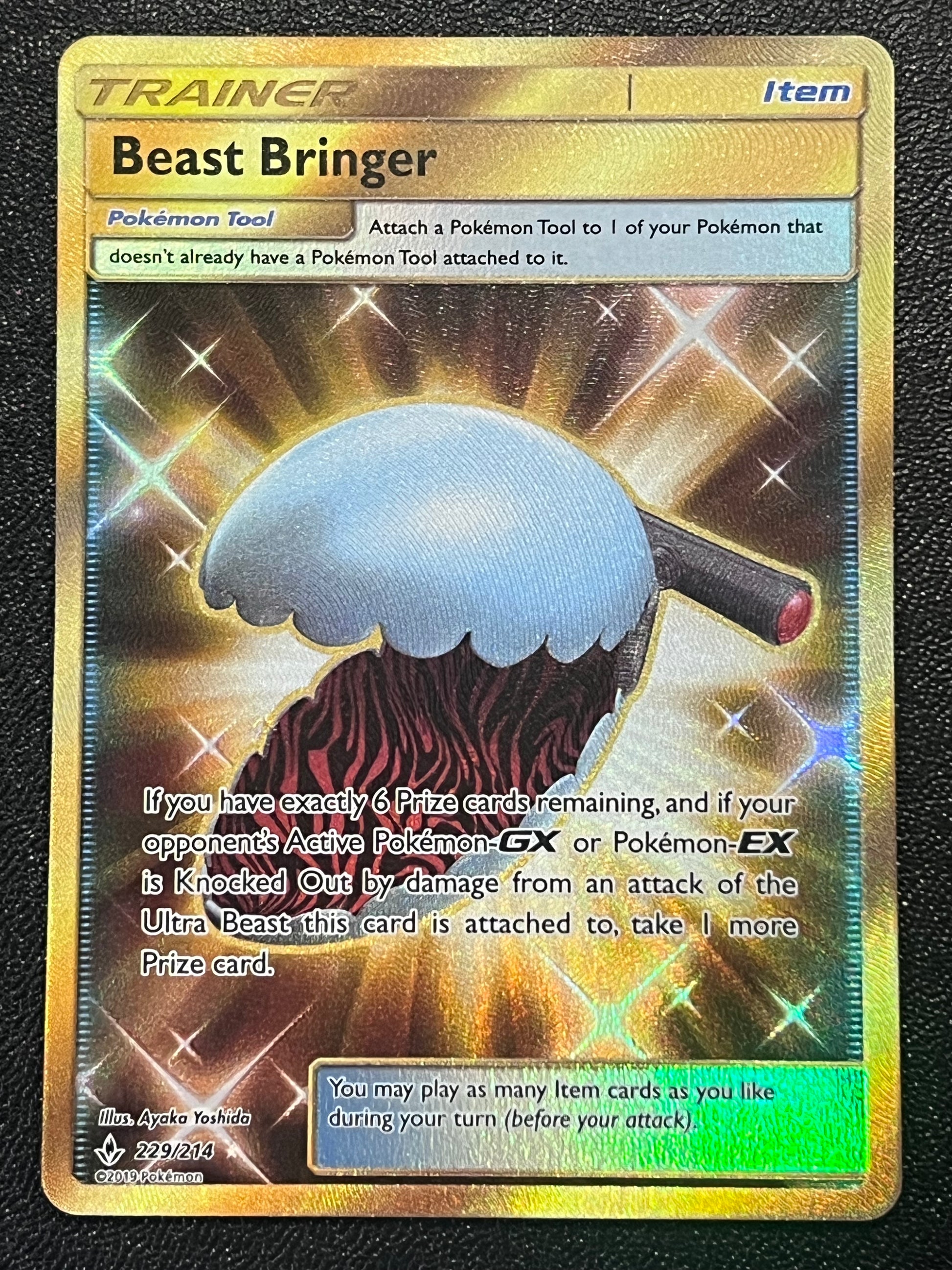
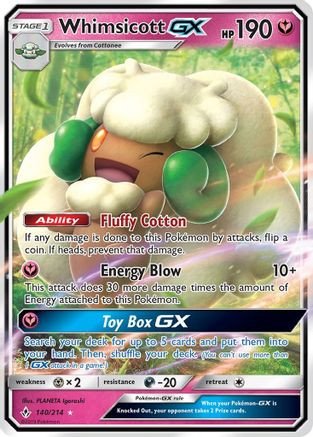
They are: Pikachu (Base Set, 1999) Charizard (Base Set, 1999) Misty (Gym Heroes, 2000) Erika's Jigglypuff (Gym Heroes, 2000) Sneasel (Neo Genesis, 2000) Shining Celebi (Neo Destiny, 2002) Lugia (Aquapolis, 2003) Delcatty (EX Ruby & Sapphire, 2003) Dark Tyranitar (EX Team Rocket Returns, 2004) Scizor ex (EX Unseen Forces, 2005) Metagross (EX Delta Species, 2005) Palkia lv.X (Great Encounters, 2008) Uxie (Legends Awakened, 2008) Crobat G (Platinum, 2009) Gengar 'Prime' (Triumphant, 2010) Darkrai & Cressalia LEGEND (Triumphant, 2010) N (Noble Victories, 2011) Rayquaza EX (Dragons Exalted, 2012) Genesect EX (Plasma Blast, 2013) Mega Gardevoir EX (Primal Clash, 2015) Greninja BREAK (BREAKpoint, 2016) Solgaleo GX (Sun & Moon, 2017) Buzzwole GX (Crimson Invasion, 2017) Pikachu & Zekrom GX (Team Up, 2019) Zacian V (Sword & Shield, 2020) Raikou (Vivid Voltage, 2020) Mew VMAX (Fusion Strike, 2021) Arceus VSTAR (Brilliant Stars, 2022) Magikarp (Paldea Evolved, 2023) When we look at the list as a whole, it's interesting that Pokmon decided not to include one card from each year, but instead put a little extra focus on certain points and notable Pokmon sets from the game's history

Mason would not allow the player to attach a water energy card to the benched Staryu instead of the active Goldeen on turn one because doing so would change his script in two ways: Goldeen would not be able to attack on turn one and Seaking would not be able to use Waterfall on turn two
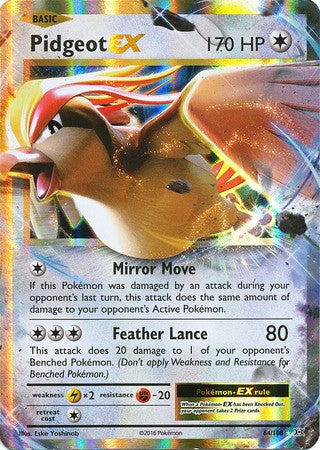
In this article, we delve into the different dimensions that Pokemon cards have taken over the years, from their early inception to the current standard
We becoming a Pokmon master
Innistrad has always looked to the graveyard as one of the ways to capture that feel from a gameplay perspective, says Mike Turian